Archives 2026

Everyday Movement for Sustainable Energy

Small Daily Movements That Make a Big Difference

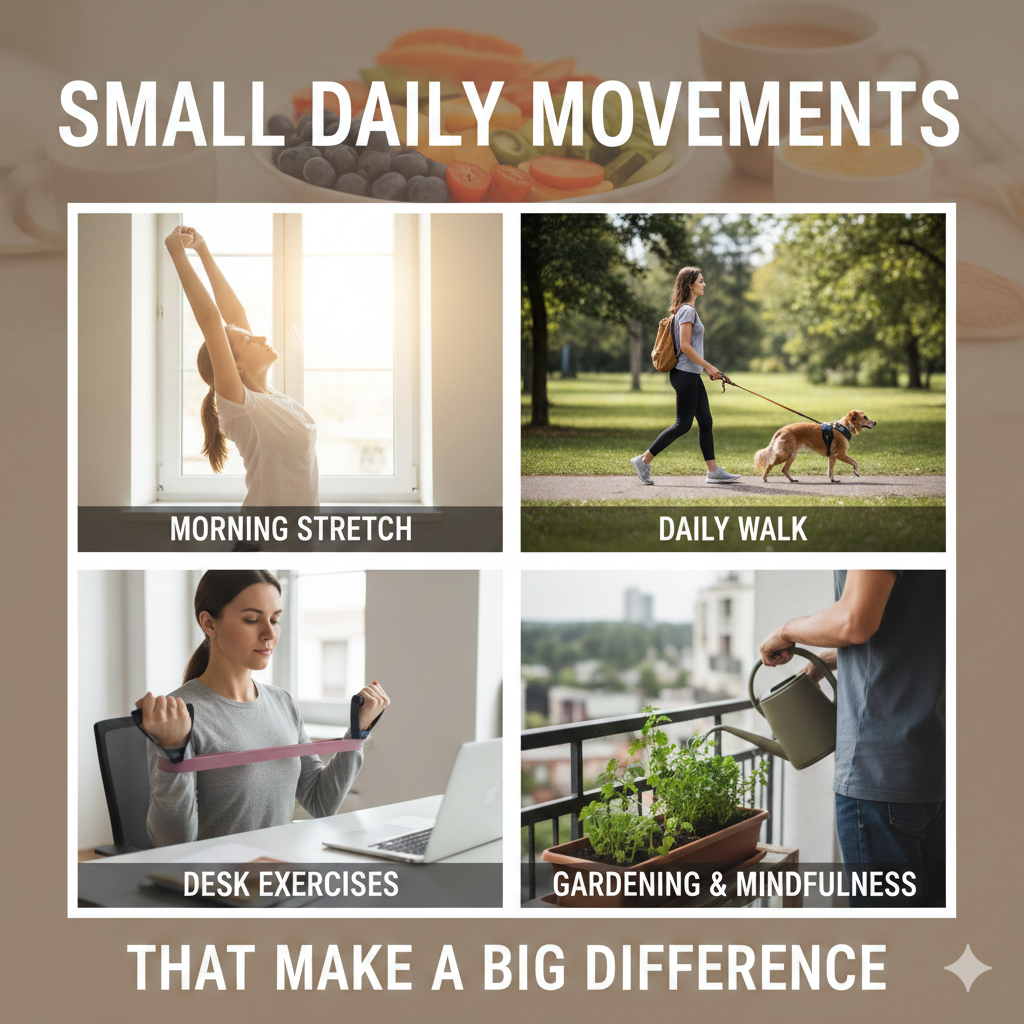
In a world where many people spend long hours sitting, the idea of structured workouts can sometimes feel overwhelming. However, maintaining steady energy levels does not always require intense training sessions. Small, consistent movements throughout the day can play a powerful role in supporting vitality and overall well-being.

Everyday movement refers to simple physical activities integrated naturally into daily routines. Walking to nearby locations, taking the stairs, stretching between tasks, or doing light household activities are all examples. These movements stimulate circulation, encourage muscle engagement, and help prevent the stiffness that often accompanies prolonged sitting.

One of the key benefits of regular light activity is improved circulation. When the body moves, blood flow increases, delivering oxygen and nutrients more efficiently. This process supports natural energy production and can reduce the mid-day sluggishness many people experience.

In addition, short movement breaks may support mental clarity. Gentle activity can help refresh attention and restore focus during long periods of desk work. For example, a five-minute walk or a short stretching routine can help reset posture and ease physical tension.

Building sustainable energy through movement does not require complicated planning. Simple strategies can make a noticeable difference:

  • Set reminders to stand up every 45–60 minutes
  • Take brief walks during phone calls
  • Stretch major muscle groups in the morning and evening
  • Choose active transportation when possible

Consistency matters more than intensity. When movement becomes a natural part of daily life rather than a separate task, it is easier to maintain long term.

Over time, these small actions can contribute to improved stamina, better posture, and a more balanced sense of physical tone. Sustainable energy often begins with sustainable habits—and daily movement is one of the most accessible starting points.
Low-Impact Exercise and Physical Balance

Gentle Training for Strength, Stability, and Comfort

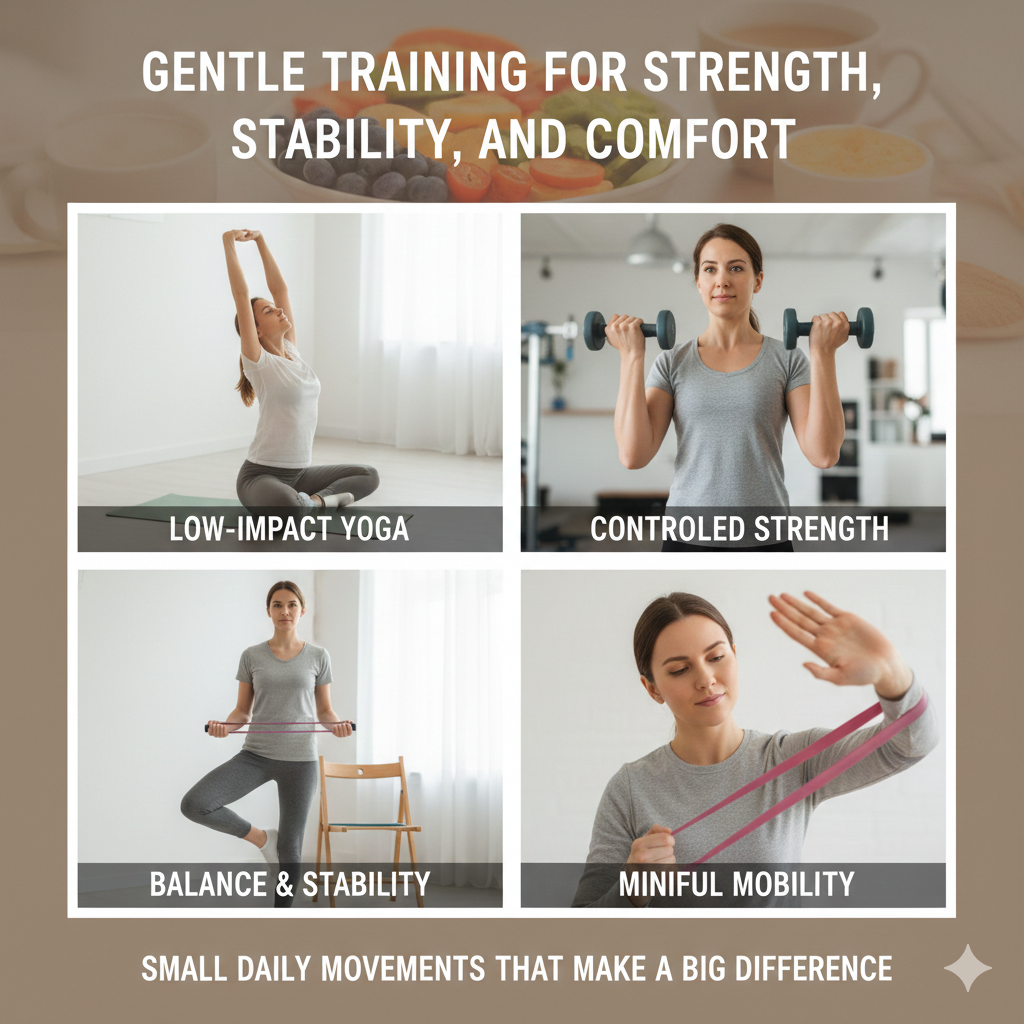
Low-impact exercise provides a practical way to maintain muscle tone and physical balance without placing excessive stress on the body. Unlike high-intensity workouts, these activities focus on controlled movements, stability, and gradual progress.

Examples of low-impact exercises include bodyweight routines, mobility drills, resistance band exercises, swimming, cycling at a comfortable pace, and flexibility-focused practices. These forms of movement support joint comfort while helping maintain strength and coordination.

Muscle tone is not only about appearance; it is closely connected to posture, stability, and everyday function. When muscles are regularly engaged through moderate activity, they help support alignment and reduce strain on joints. Balanced muscle activation can also improve coordination and body awareness.

Another benefit of gentle training is its accessibility. Most people can begin with minimal equipment and adjust intensity according to their comfort level. This makes it easier to maintain consistency, which is essential for long-term results.

Flexibility and mobility exercises are equally important. Controlled stretching and range-of-motion work may support joint function and help reduce stiffness associated with sedentary routines. Combining strength and mobility creates a balanced approach that supports overall physical tone.

To create a simple low-impact routine:

  • Begin with 5–10 minutes of light warm-up movements
  • Include basic strength exercises such as squats, wall push-ups, or step-ups
  • Add mobility drills for hips, shoulders, and spine
  • Finish with gentle stretching

The goal is not rapid transformation but steady improvement. Moderate, controlled training encourages long-term adherence and supports daily comfort.

By choosing sustainable methods over extreme approaches, individuals can maintain strength, stability, and confidence in their movement without unnecessary strain.

Active Lifestyle Habits for Daily Well-Being

Building an Active Routine That Fits Real Life

An active lifestyle is not defined by occasional intense workouts but by consistent movement woven into everyday life. Moderate physical activity, performed regularly, supports physical tone, mental clarity, and overall balance.

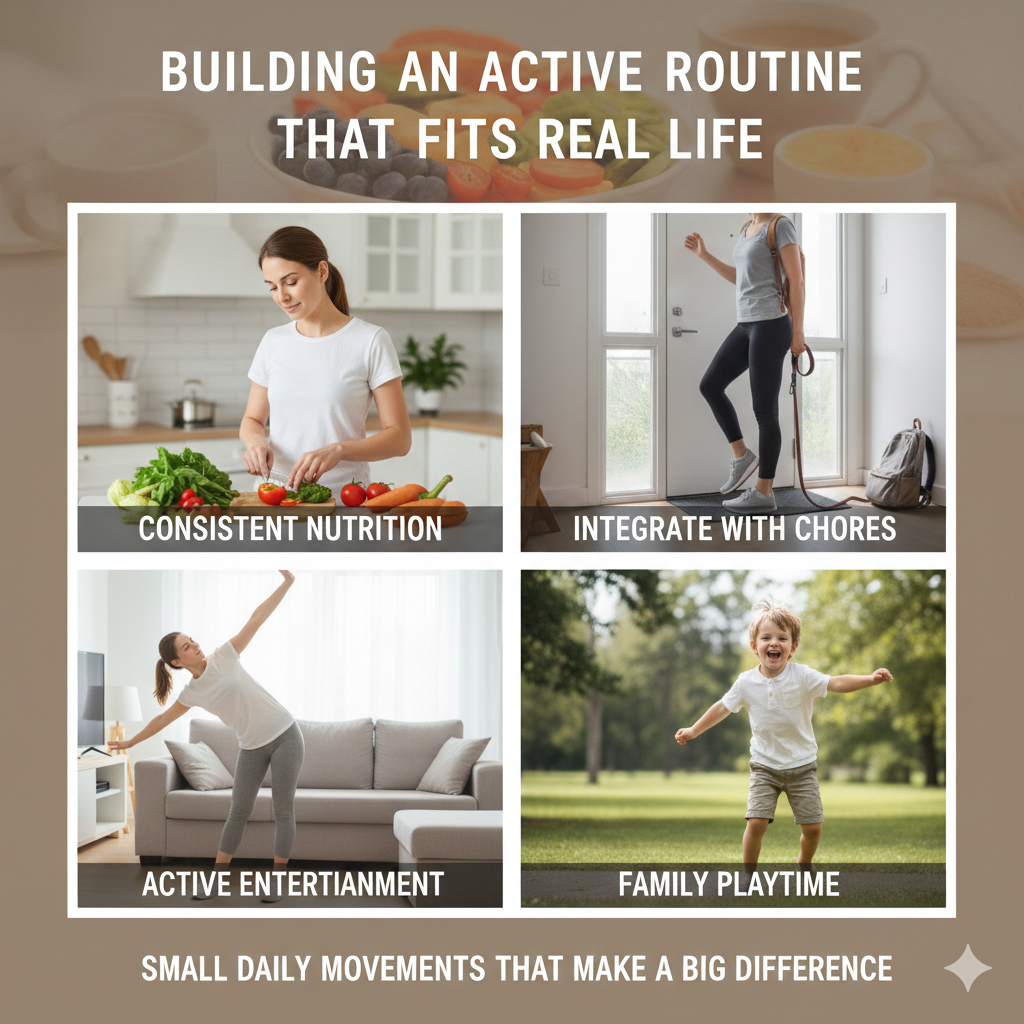
The key to maintaining such a lifestyle is practicality. Instead of setting unrealistic goals, it is more effective to build routines that match personal schedules and energy levels. A short morning stretch, a brisk lunchtime walk, or light evening mobility work can form the foundation of a sustainable plan.

Moderate activity supports muscle engagement and circulation, both of which contribute to maintaining tone. It can also provide a structured break from mental tasks, allowing the mind to reset and improve productivity.

Habit formation plays a central role in long-term success. Attaching movement to existing routines makes consistency easier. For example:

  • Stretch after brushing your teeth
  • Walk for 10 minutes after meals
  • Perform simple strength exercises while watching television
  • Schedule short movement sessions into your calendar

Tracking progress, even informally, may increase motivation. Noticing improved endurance, posture, or flexibility reinforces positive behavior.

Equally important is recovery and balance. Rest days, adequate sleep, and proper hydration complement moderate activity and support overall well-being.

An active routine does not need to be complex to be effective. By focusing on manageable, consistent actions, individuals can support their physical tone and daily energy in a way that feels natural and achievable.

Long-term well-being often grows from small, repeatable habits. When movement becomes part of everyday life, maintaining tone and vitality becomes less of a challenge and more of a steady rhythm.